
How to Compare Commercial Remodeling Proposals Without Looking Only at Price
Compare what each proposal covers before you compare the totals. Give every bidder the same documents, then line up the inclusions, exclusions, allowances, schedule assumptions, and change process. The lowest number may leave out work another bidder included.
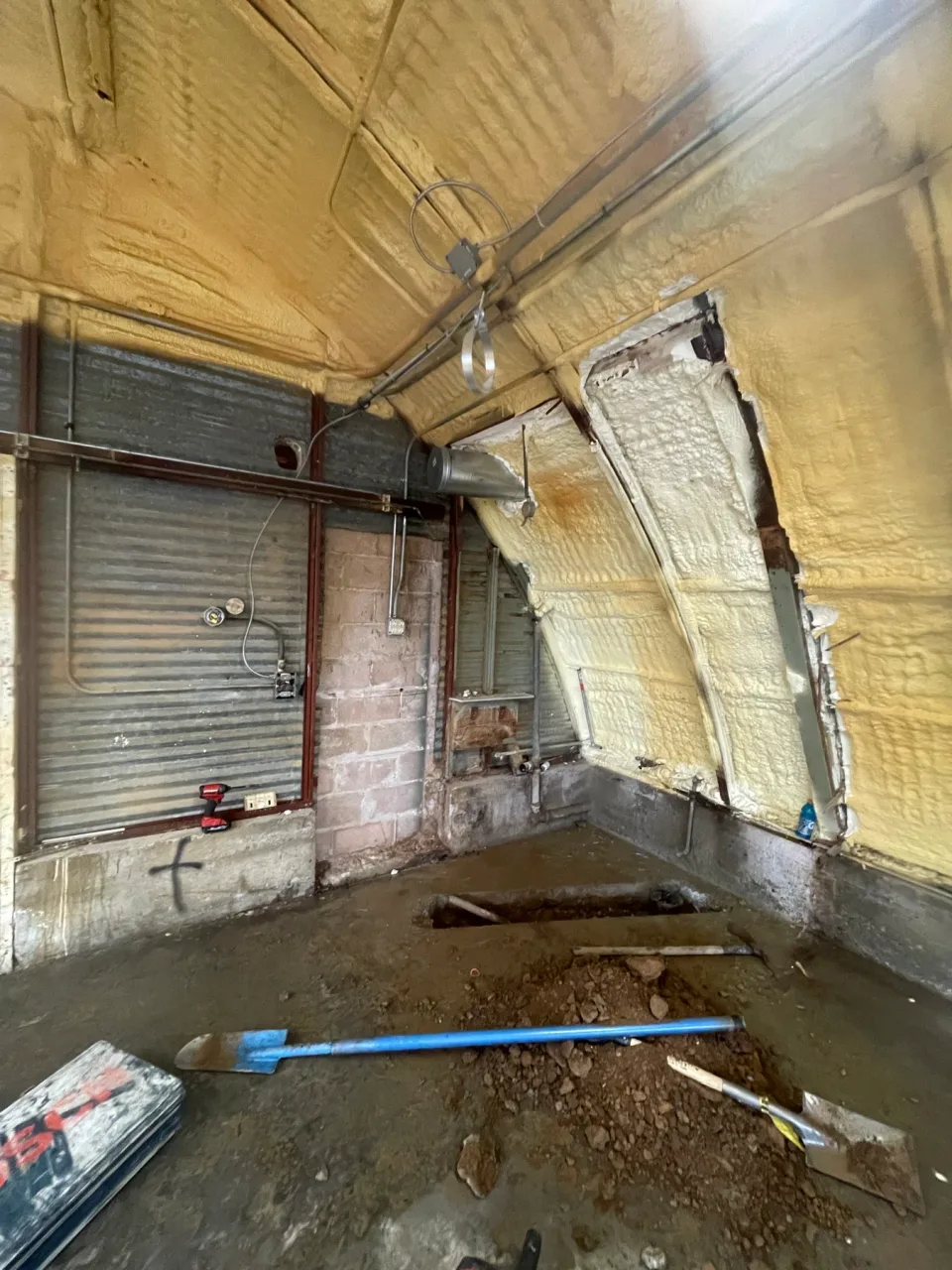
In an older building, the differences can be large. Landford Construction’s two Los Gatos renovations included sewer, restroom, electrical, air-conditioning, and roof work, the kind of lines one bid can have and another can miss.
How do you get bids you can compare?
Give every bidder the same drawings, specifications, building rules, equipment information, schedule requirements, and written questions. Write down clarifications and share them, so important information does not stay in separate conversations. Our commercial planning checklist covers what to prepare.
What should each proposal include or exclude?
- Demolition and debris removal
- Temporary protection and occupied-space controls
- Trade work and finish work
- Permits, fees, and inspections
- Utility shutdowns and after-hours work
- Delivery, storage, and building coordination
- Testing, startup, cleaning, and closeout
How do allowances change the comparison?
An allowance is not a fixed product selection. Compare what each allowance covers, whether labor is included, and what happens when the actual selection costs more or less.
What is each schedule based on?
Look for procurement time, permit review, landlord approvals, inspections, phased turnover, owner decisions, furniture and technology coordination, and limits on working hours. A shorter schedule helps only if its assumptions are realistic.
Plan review is one assumption you can check. For a miscellaneous commercial project, the City of San José lists about 10 working days for the first review round and 5 for each later round. Ask each bidder how the schedule treats it, and whether keeping the business open is included.
Who handles permits, and who pays the fees?
Ask who prepares the plans, who applies, who answers plan review comments, and whether fees are in the price. Landford Construction applies for the permits and manages them, and the client pays the city’s permit fee, which isn’t part of the contract price. For San José rules, see our tenant improvement permit guide.
How do the payment terms compare?
Compare the payment stages and amounts, not only the total. California’s $1,000 or 10% down payment limit is a home improvement rule, so don’t assume it covers a commercial contract. At Landford Construction, stages and amounts are always written in the contract.
How are changes handled?
Ask who can authorize a change, what documentation you will get, how pricing is calculated, and how the schedule effect is recorded. Do not rely on informal direction from someone without approval authority.
Who runs the job, and how will you hear from them?
Confirm the primary contact, onsite supervision, how often you get updates, the meeting schedule, and who to call when something goes wrong. At Landford Construction, Adam is your point of contact, and you get updates after each stage and inspection.
What happens at closeout?
Check that each proposal covers these. Landford Construction gives a two-year warranty on workmanship, starting when the work is finished, and it is written into the contract.
- Final inspections and approvals
- Punch-list completion
- Cleaning and turnover
- Warranties and product information
- Record drawings or operation manuals when required
- Keys, access controls, and training
- Property-manager closeout documents
How to get a proposal from Landford Construction
Landford Construction does office renovations, warehouse renovations, and tenant improvements in San Jose, the South Bay, and the Peninsula. Send photos of your space. For suitable projects, Adam gives a free preliminary price range. If it fits your budget, Adam visits the site at no charge and sends a free written proposal with the scope, price, and schedule.
The bottom line
Compare the project each proposal actually describes, not only the number at the bottom. A clear scope, a realistic schedule, and written assumptions are what make two bids comparable.
Official resources
This is general information, not legal advice. Plan review times reflect City of San José pages as of November 2026.

About the author
Adam Tamerlan Yagibekov owns Landford Construction, Inc., a licensed general building contractor based in San Jose, California (CSLB #1160801). With 9 years in construction and remodeling, Adam prepares each estimate and stays the client’s point of contact through the whole project.
See what this looks like in practice.
Explore the construction scope and completed Landford projects for your type of remodel.
Browse individual projects →